Our Product

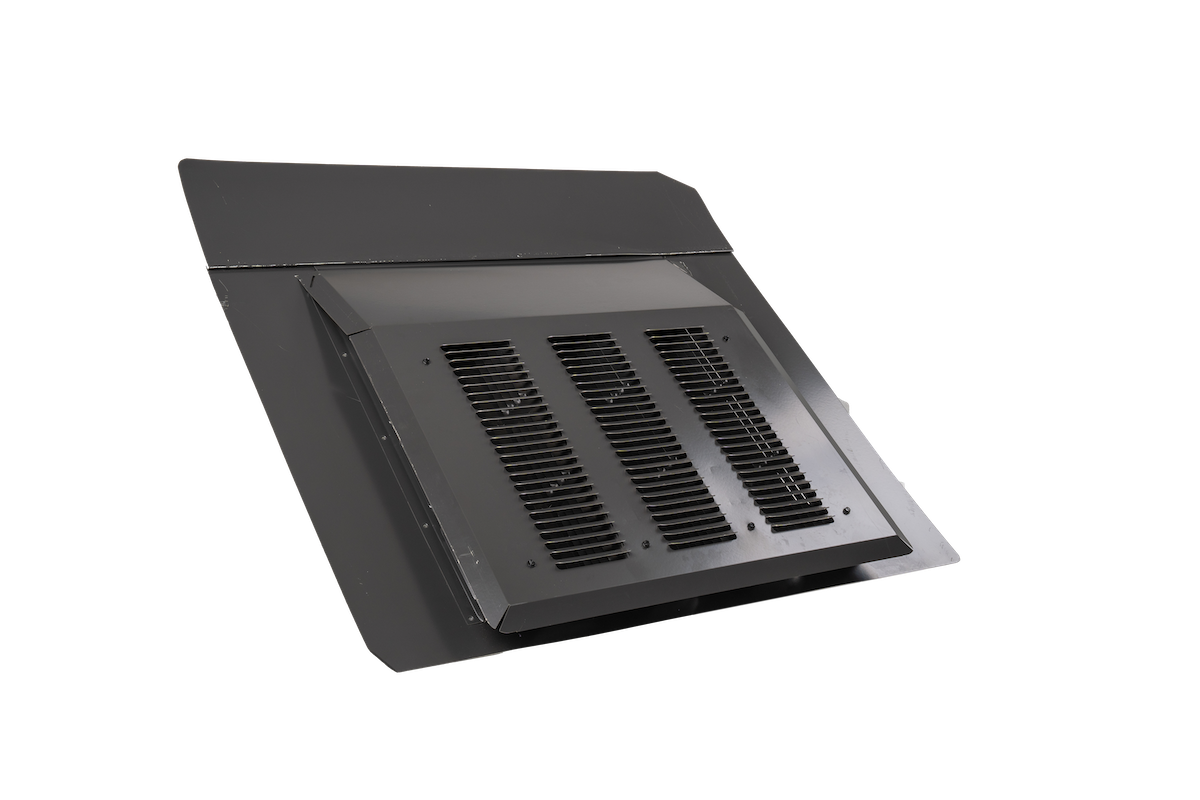
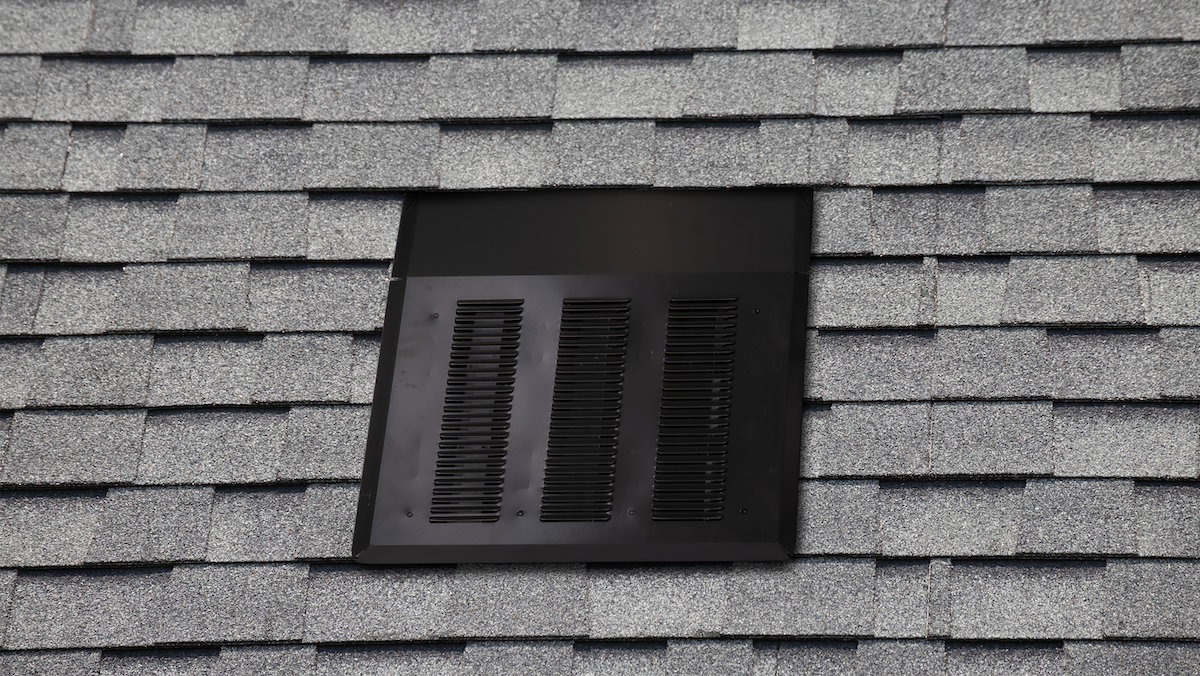
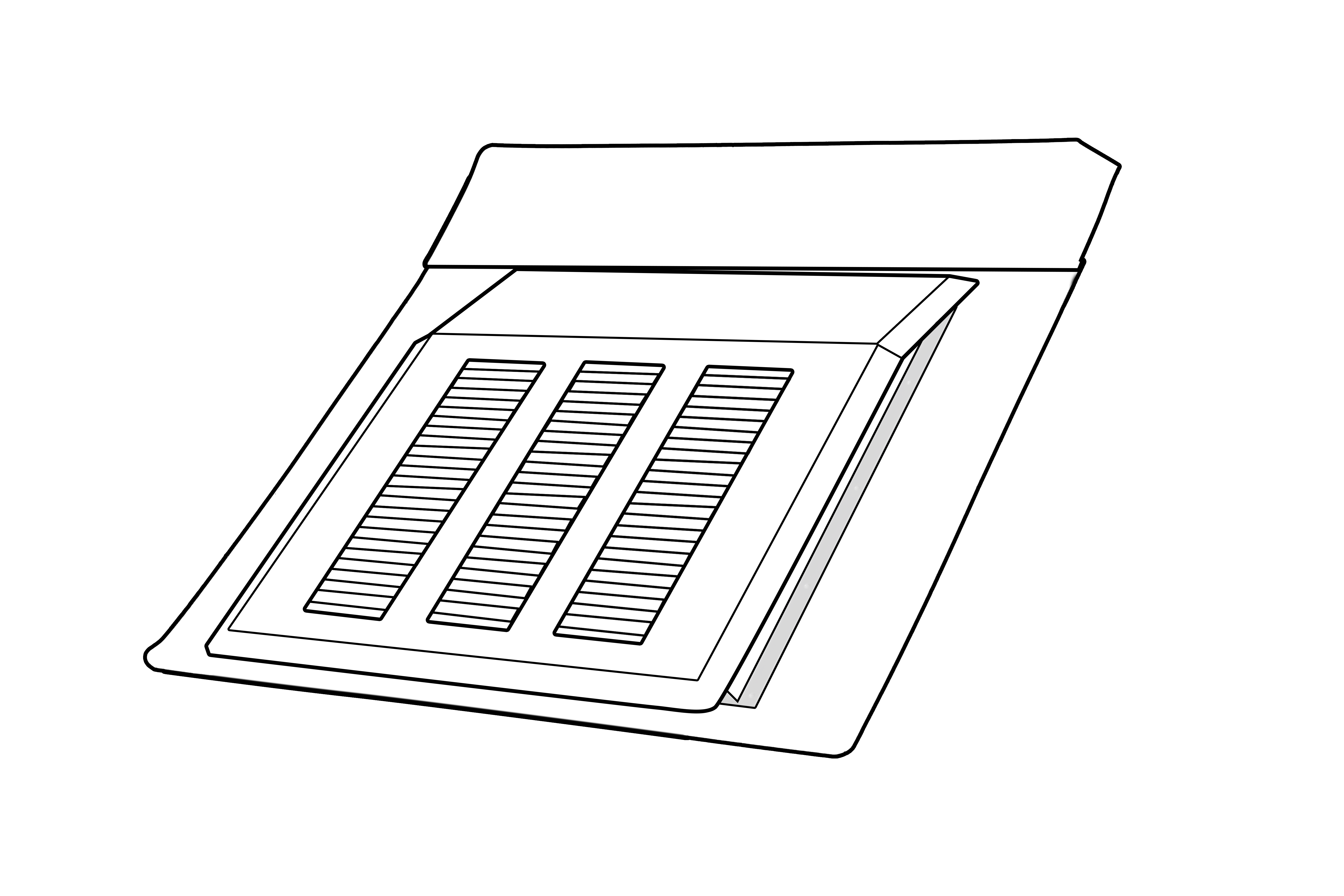
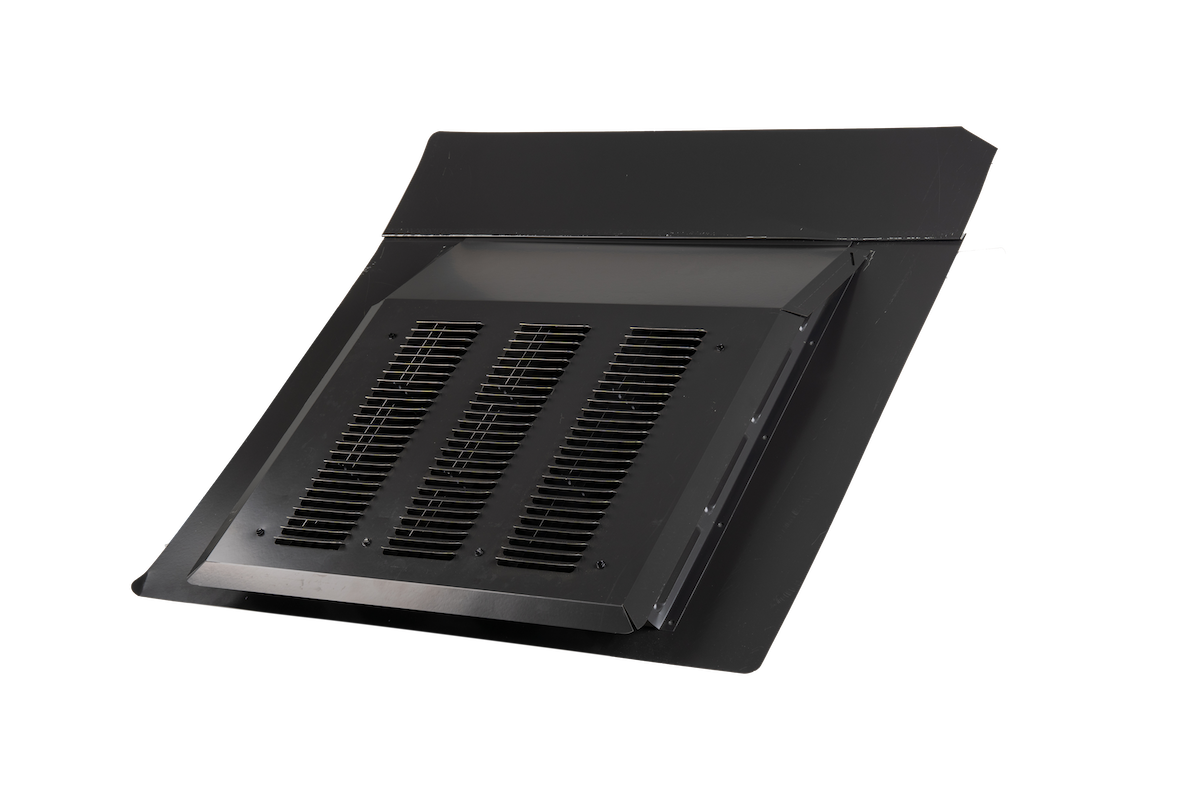
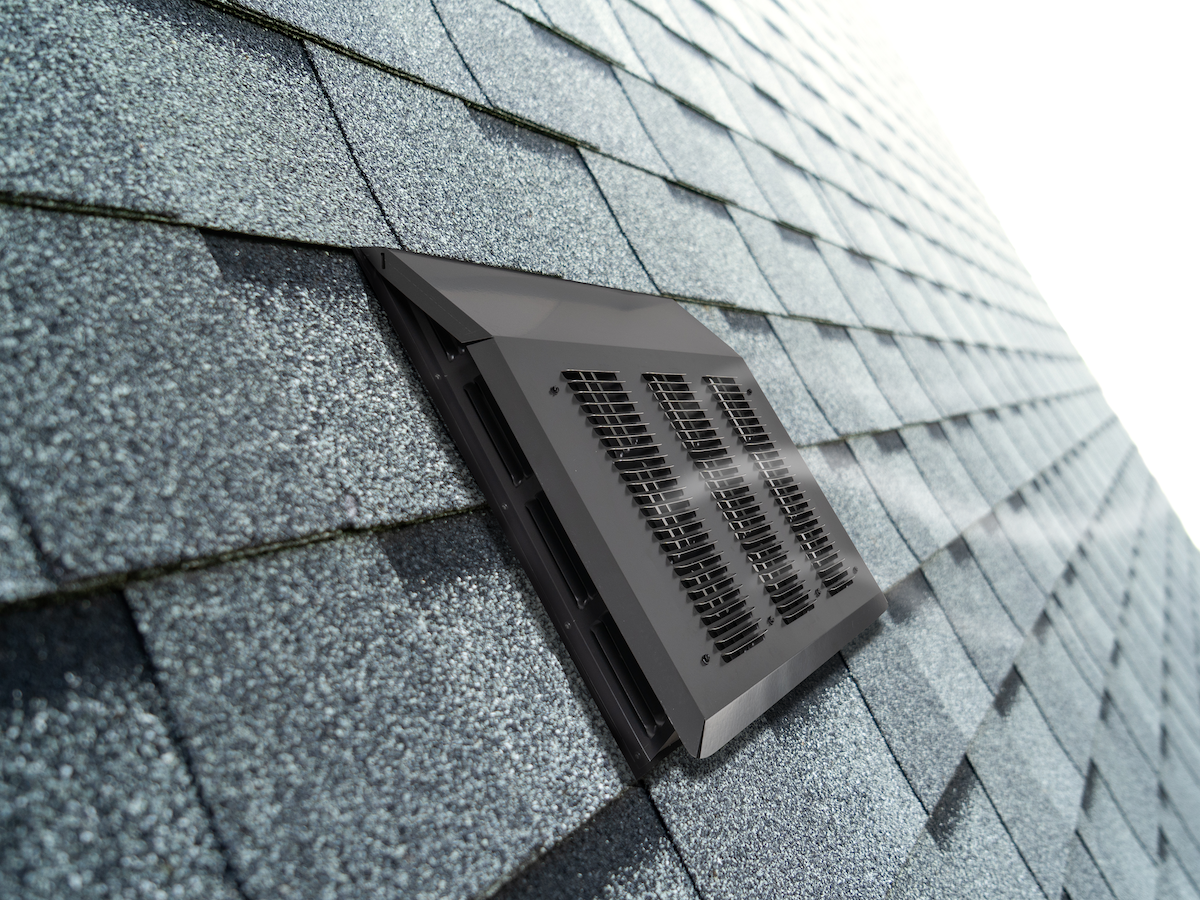
AtticAir Vent
Low Profile | Advanced Airflow

Service-Image

Features

01

Low-profile design for enhanced curb appeal

02

Durable, weather-resistant construction

03

Easy installation with included hardware

04

Meets all building code requirements

05

Limited lifetime warranty

Benefits

01

Spend less time installing & save money with less vents

02

Improve attic ventilation & reduce moisture buildup

03

Boost home energy efficiency & comfort

04

Maintain a clean, uncluttered roofline

05

Protect your roof & extend its lifespan

Specifications

01

Dimensions: 24" L x 18" W x 2" H

02

Material: High-grade polymer

03

Color: Black, Weathered Wood, Brown

04

Net Free Ventilation Area:
- 1/4" Wire Mesh: 140.29 sq. in.
- 1/8" Wire Mesh: 115.70 sq. in.
Dropdown
Service-Image

Features

01

Low-profile design for enhanced curb appeal

02

Durable, weather-resistant construction

03

Easy installation with included hardware

04

Meets all building code requirements

05

Limited lifetime warranty

Find a distributor near you

Benefits

01

Improve attic ventilation & reduce moisture buildup

02

Protect your roof & extend its lifespan

03

Boost home energy efficiency & comfort

04

Maintain a clean, uncluttered roofline

05

Spend less time installing vents
Service-Image
Service-Image

Specifications

01

Dimensions: 24" L x 18" W x 2" H

02

Material: High-grade polymer

03

Color: Black, Weathered Wood, Brown

04

Net Free Area: 18 sq. in. per vent

05

Airflow: 762 CFM @ 15 MPH wind
Installation

1.

Determine vent locations based on attic size & roof pitch

Align front of vent 1/2 inch belownail line and mark outline of vent for placementlater. Mark outline of 11 x 11 inch hole. With bladeset to thickness of sheathing, cut hole in roof deck.
2.

SEAL

Seal using a sufficient amount of locally-approved sealant around inner and outer flange.
3.

PLACE

Place vent directly over 11 x 11 inch hole using
previously marked outline as a guide.
4.

SECURE

Secure at 4 inch centers, using locally-approved
roofing nails or screws of sufficient length to
penetrate sheathing. SEAL all penetrations using
locally-approved sealant.
5.

COVER

Cover with roofing material around vent.
Based on local best practices, a 45 degree angle
cut must be made on the material terminating at
the vent.
6.

TRIM

Trim roofing material back 1 inch on top and
sides of vent to allow for proper drainage.
Download Installation Guide
Service-Image

Installation

01

Determine vent locations based on attic size & roof pitch

02

Cut 16"x22" holes in roof deck at each vent site

03

Apply roof cement around hole perimeter

04

Set vent in place & nail flanges to roof deck

05

Install shingles around vent, overlapping flange edges

Download Installation Guide

FAQS

Still Have Questions?

01

FAQ 1?

Answer to FAQ 1

Arrow-icon

02

FAQ 2?

Answer to FAQ 2

Arrow-icon

03

FAQ 3?

Answer to FAQ 3

Arrow-icon

04

FAQ 4?

Answer to FAQ 4

Arrow-icon

05

FAQ 5?

Answer to FAQ 5

Arrow-icon

Ready to Elevate Your Roof's Ventilation?

Whether you’re a contractor looking for a better solution or an architect focused on design integrity, AtticAir Vent has the perfect solution for you. Contact us today to learn more.

Together, let's create roofs that not only protect but also inspire.